

The Part That Changes The Math
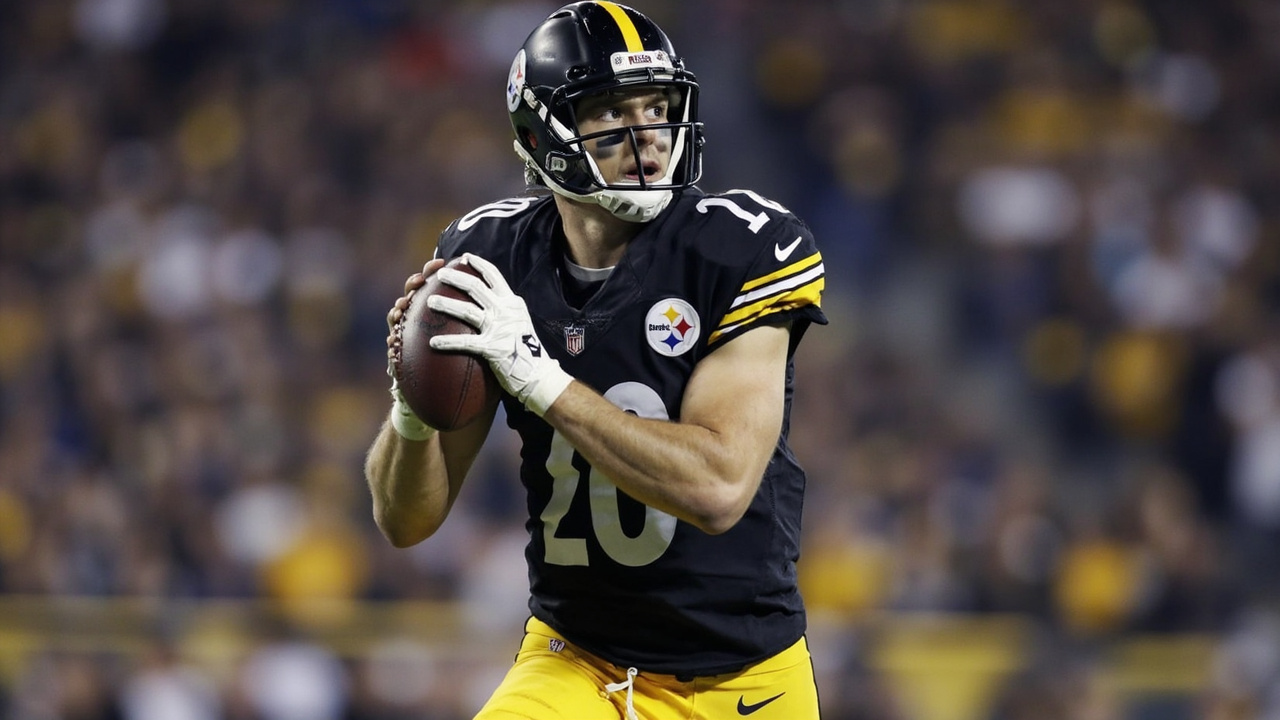
When the Steelers grabbed Drew Allar with the 76th pick in the 2026 NFL Draft, I didn't love the pick. Not even a little bit.
The physical tools were obvious—always had been. He could make every throw, create outside the structure and do things physically that most QBs wouldn't even attempt. The problem was everything that came after that. During his last two seasons at Penn State, I kept circling back to the same concerns. The footwork got hurried. Pressure sped up his process. Too many games followed a familiar script: flashes of next-level throws followed by stretches where the consistency just evaporated. I gave him a fifth-round grade. When Pittsburgh selected him at 76, my first thought was they drafted him a little too early.
The list looks clean on paper; the hard part is everything that happens after it is printed.
Here's what changed my mind: the data.
I ran a model using quarterback data from 2015 through 2025, looking for traits tied to quarterbacks who actually made the jump to functional NFL starters. Every time, Allar kept outperforming expectations. The pattern was consistent. QBs who moved the chains, had meaningful starting experience and could function when things weren't perfect around them—that's what the data rewarded. His 37.9% first-down rate was among the best in the class, much better than the public conversation suggested.
The Detail Worth Keeping
What's interesting is none of this lined up with how I viewed Allar entering the draft. When his 2025 season ended early due to injury, it felt less like momentum building and more like he left evaluators with the same questions they'd had in September. That's why I was surprised when the Steelers took him when they did.
Had Allar landed with a team expecting him to start immediately, I'd have viewed the pick differently. Third-round picks aren't lottery tickets—they're expected to contribute relatively quickly. By selecting Allar, Pittsburgh was passing on a chance to add someone who could help win games now.
But looking at the board between Allar at 76 and Pittsburgh's next pick at 85, there wasn't an obvious blue-chip prospect sitting there. The same held true for the next 10 picks until the Steelers selected OL Gennings Dunker at 96. Basically: they weren't choosing between a developmental quarterback and an immediate-impact starter. They were choosing between Allar and a group of prospects who largely projected as depth pieces.
The tape told a complicated story. At his best, Allar made some of the most impressive throws in the class—he could drive the ball outside the numbers, layer throws over defenders and attack tight windows with anticipation. But those stretches where the pocket got muddy and everything sped up followed the flashes far too often. The footwork became hurried. The accuracy suffered. The decision-making wasn't always clean.
Where It Goes From Here
NFL teams weren't questioning whether he could make NFL throws. They were trying to determine whether he could consistently make NFL decisions when everything collapsed around him. That's where the story shifts. His weaknesses were real, but they were also developmental. Arm strength wasn't the issue. Athletic limitations weren't the problem. It was operational: pocket management, footwork, processing speed and confidence under pressure. Those are difficult problems to solve. They're also the exact kinds of problems NFL coaching staffs spend years trying to fix.
The fit in Pittsburgh changes the conversation. A team with a functional offense already, with a coaching staff known for developing QBs—that's a different environment than dumping a raw prospect into a rebuilding situation. The model liked him more than I did. The tape showed real flashes. The situation in Pittsburgh might be exactly what he needs.
The flaws remain. But what changed for me is how fixable many of those flaws appear to be, given the team that drafted him.