


The Part That Changes The Math
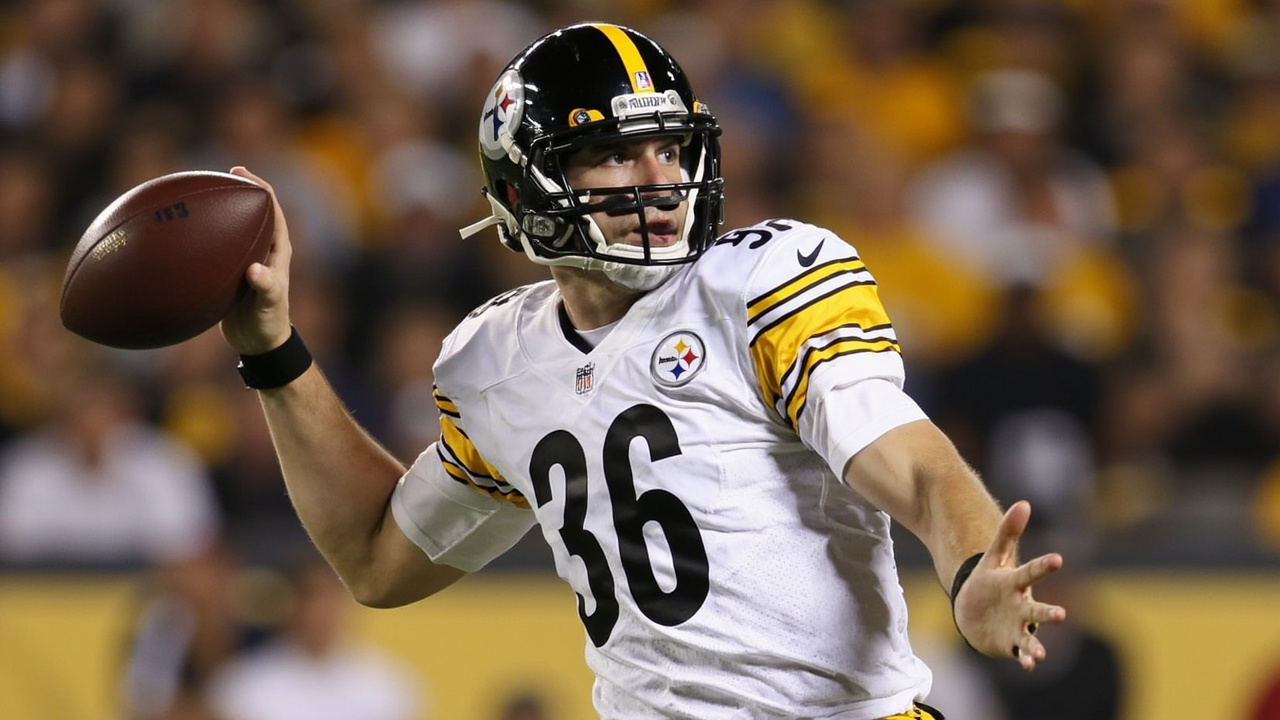
The Steelers took Drew Allar with the 76th pick in the 2026 NFL Draft. That was the fact. My opinion followed quickly: too early, too risky, a fifth-round grade forced into the third round.
I had watched two seasons at Penn State. The arm talent was never the question. Every throw was there, some of them spectacular. What kept appearing was the inconsistency — footwork that hurried under pressure, stretches where the game sped up faster than his processing. He looked like a future star in some quarters and a quarterback still figuring things out in others. That's a hard profile to invest a draft pick in, let alone one in the 70s.
The list looks clean on paper; the hard part is everything that happens after it is printed.
So I was ready to file this under " Steelers reach." Then the numbers told me to wait.
I ran a model using quarterback data from 2015 through 2025, looking for traits that translated to NFL success. Not stats that looked good on a spreadsheet — traits that correlated with quarterbacks who actually played. First-down rate mattered more than completion percentage. Starting experience mattered more than highlight-reel touchdowns. The ability to function when nothing around you was perfect mattered more than clean pockets.
The Detail Worth Keeping
Allar checked those boxes. His 37.9% first-down rate sat near the top of the class. He brought 25 starts. The model kept returning his name higher than where the public conversation had placed him. That forced a question I didn't want to answer: what was the data seeing that my eyes had missed?
The answer wasn't that the concerns were wrong. They were real. The tape showed a quarterback who could make NFL throws — layering passes over defenders, driving the ball outside the numbers, attacking tight windows with anticipation. Then it showed the same quarterback losing his feet when pressure arrived, forcing errant decisions once the pocket got muddy.
But those are operational problems, not physical ones. Arm strength wasn't the issue. Athleticism wasn't the issue. The issues were fixable things — footwork, pocket feel, processing speed under duress. Those are exactly the problems NFL coaching staffs spend years trying to solve. They're hard, but they're developmental.
Between Allar at 76 and Pittsburgh's next pick at 85, the board didn't offer an obvious difference-maker. Daylen Everette projected as a cornerback who might develop. OL Gennings Dunker was a depth piece with upside. The same held for the next ten selections. The opportunity cost argument — "they could have gotten immediate help instead" — loses its force when the alternative is a developmental prospect rather than a sure thing.
Where It Goes From Here
Had Allar landed with a team needing him to start immediately, the skepticism would hold. Pittsburgh doesn't need that. The Steelers drafted a developmental quarterback with real starting upside and a floor raised by experience. If he becomes even an average NFL starter, the value conversation shifts entirely.
The pick still carries risk. Not every developmental projection becomes a success story. But the model liked him more than the tape alone suggested. The fit in Pittsburgh gives him time. That's more than most third-round quarterbacks get.