


The Result Carries Weight
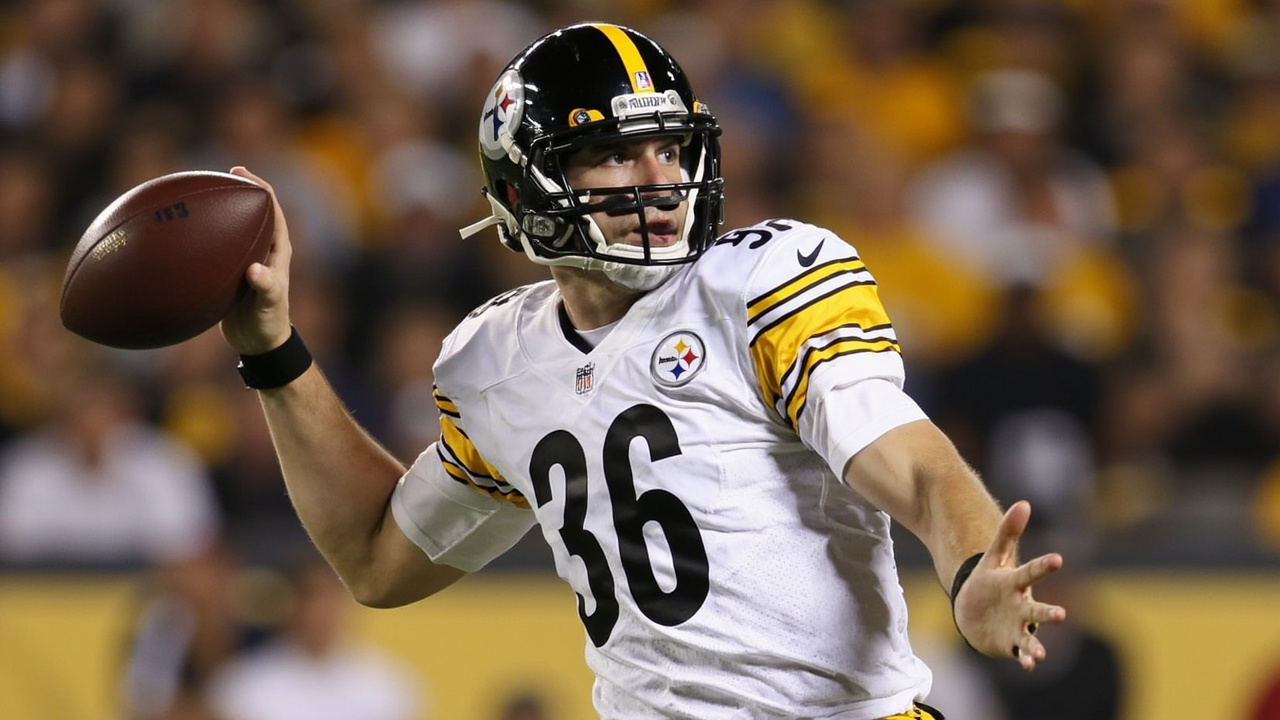
When the Steelers selected Drew Allar with the 76th overall pick in the 2026 NFL Draft, the reaction was mixed at best. The physical tools were never the question. He can make every throw, create outside the structure and do things most quarterbacks wouldn't even attempt. The issue was everything that came after the highlight-reel moments.
During his final two seasons at Penn State, the concerns kept stacking up. The footwork got hurried under pressure. The consistency evaporated in stretches. Games followed a familiar script: flashes of next-level throws followed by periods where everything sped up and the accuracy suffered. He looked like a future star one series and a quarterback still figuring things out the next. That tension is exactly why I gave him a fifth-round grade.
The list looks clean on paper; the hard part is everything that happens after it is printed.
So when Pittsburgh took him in the third round, the initial thought was simple: they drafted him a little too early. But then the data intervened.
I ran a projection model using quarterback traits from 2015-2025 to identify what actually predicts NFL success—not stat lines, but operational traits. And every time, Allar kept outperforming expectations. The model saw something I hadn't fully appreciated.
The Moment That Swung It
One theme emerged repeatedly. The quarterbacks who transitioned most successfully weren't always the biggest arms. They moved the chains, had meaningful starting experience and functioned when things weren't perfect around them. Allar's 37.9% first-down rate was among the best in the class—significantly better than the public conversation suggested. That's the question NFL teams actually ask: can this quarterback keep an offense on schedule?
He also brought 25-plus starts, which historically raises the floor. More games mean more disguised coverages, more third-and-long situations, more late-game pressure. Experience doesn't guarantee success, but it does prepare you for the chaos.
The opportunity cost argument is fair on the surface. Third-round picks are expected to contribute relatively quickly—rotational pass rusher, nickel corner, swing tackle. By selecting Allar, Pittsburgh passed on someone who could help win games immediately. Except when I looked at the board between Allar at 76 and their next pick at 85, there wasn't an obvious blue-chip prospect sitting there. Same for the next ten picks until OL Gennings Dunker at 96. The board was filled with developmental players and role pieces.
The tape told a complicated story. At his best, Allar made some of the most impressive throws in the class—driving the ball outside the numbers, layering throws over defenders, attacking tight windows with anticipation. But when the pocket got muddy and everything sped up, the footwork became erratic and the decision-making suffered. NFL teams weren't questioning the arm. They were questioning whether he could consistently make NFL decisions when everything became chaotic.
The Race Tightens
Here's what changed my thinking: those weaknesses are operational, not physical. Arm strength, athleticism, playmaking ability—none of those were the problem. Pocket management, footwork, processing speed, confidence under pressure—those are exactly the problems NFL coaching staffs spend years trying to fix. And Pittsburgh's situation might be the ideal place to do exactly that.
With no urgent starting pressure, Allar can develop at his own pace while absorbing an NFL system. The supporting cast around him will matter far more than his draft position ever could. The flaws remain real, but they're also fixable—and the team that drafted him might be the one best equipped to fix them.