


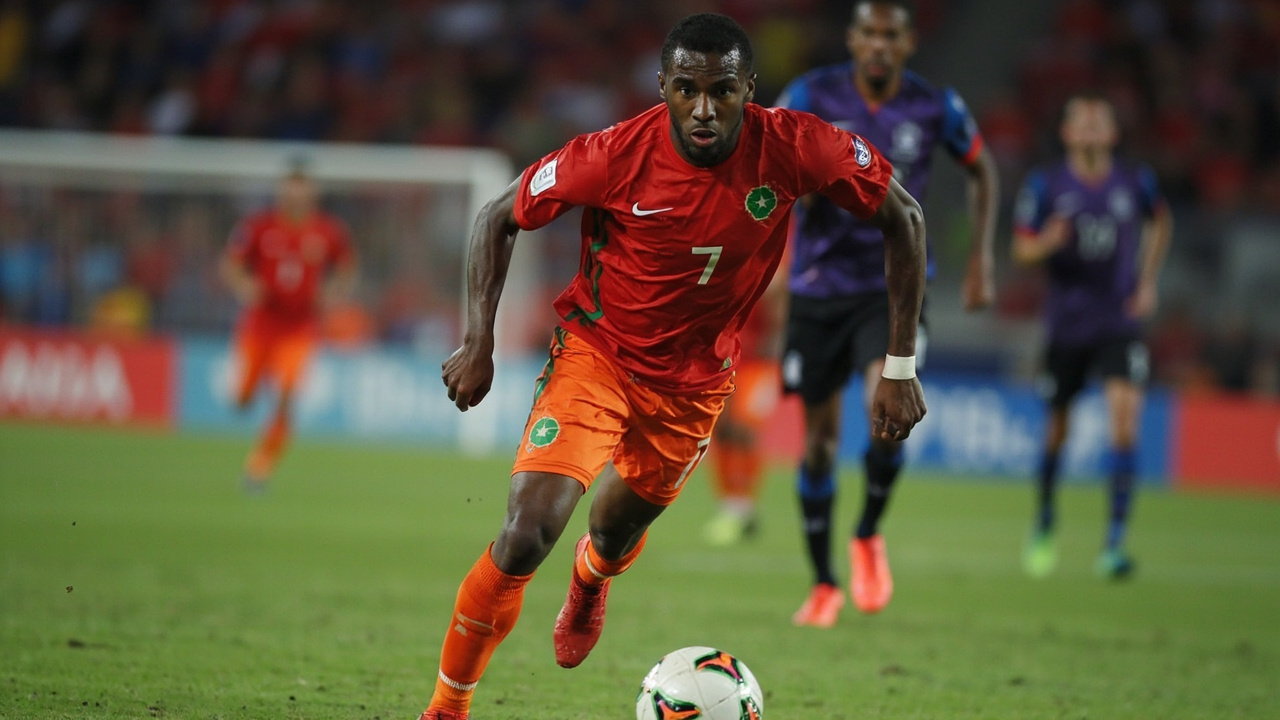
MOGADISHU, Somalia (AP) — Omar Artan was set to make history as the first referee from Somalia to officiate at a World Cup. Instead, he made a different kind of history — one no federation schedules. Artan arrived at Miami International Airport on Saturday and was denied entry by U.S. Customs and Border Protection, which cited "vetting concerns" without elaboration. He had flown in from Istanbul, where he was scheduled to connect to Miami, the base for World Cup referees. A U.S. official, speaking on condition of anonymity, said the referee was denied admission due to "association with suspected members of terror organizations." The official cited visa privacy laws as reason for the lack of detail. He was questioned for 11 hours. Border officials asked about his reasons for traveling, Somali politics, and the al-Shabab militant group. Artan showed them FIFA documentation and photos from his refereeing career. After the questioning, he was placed in a holding cell and flown back to Istanbul.
FIFA said it was not involved in the immigration process and was informed by U.S. authorities that Artan's status would not change. He would not be able to train or officiate at the tournament, which begins Thursday. "A host government ultimately determines who receives a visa and who is admitted into their country," FIFA said in a statement. Artan was praised as one of Africa's best referees and was named the continent's best male referee in 2025. He officiated the decisive leg of the African Champions League final last month. In a recent interview with Al Jazeera, he called the World Cup assignment his "big, big target" and spoke about the challenges of refereeing in Mogadishu, where he sometimes had to change his route to training because of explosions.
The record does not need much decoration; it already does the talking.
Somalia is one of nearly 40 countries under new travel restrictions imposed by the Trump administration. The Somalia Youth and Sports Ministry said its embassy in the U.S. was working to resolve the situation. A senior adviser at the ministry suggested the denial might be related to the broader restrictions "rather than any specific allegation against him." The match official's journey reflects the strange intersection of sports and security — one decided at a checkpoint, not a pitch. FIFA selects referees. Governments decide if they can walk through the door.