


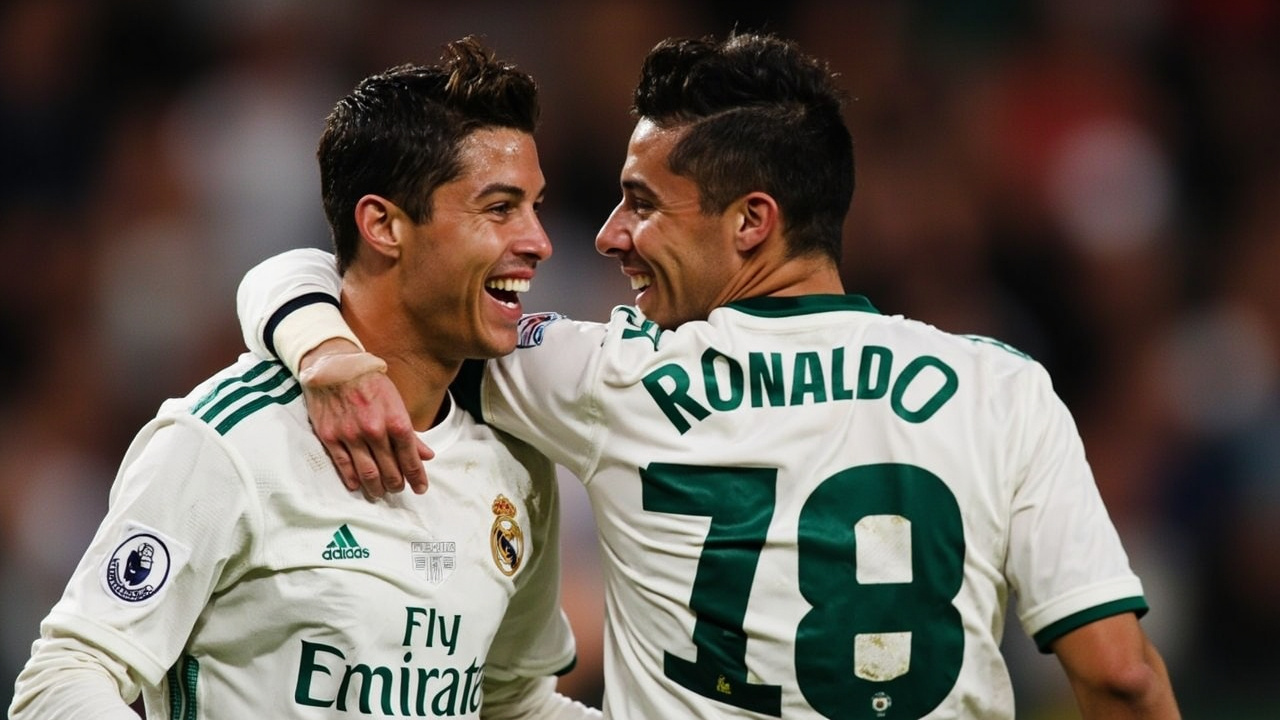
The Part That Changes The Math
In 2016, Cristiano Ronaldo said he wanted to retire at Real Madrid. It sounded ambitious even by his standards. Most strikers start declining by 35. Their speed fades. Their bodies protest. Yet here we are, and Ronaldo will line up for Portugal at 41.
A test last year put his biological age at just under 29. That claim sounds absurd until you watch him play.
He is not alone anymore. Since the first World Cup in 1930, only one outfield player over 40 has appeared in the tournament: Roger Milla in 1994. Now the list might grow. Luka Modrić is 40. Edin Džeko is 40. Three aging stars in one tournament is unprecedented territory.
Pepe became the oldest player at the Euros two years ago, at 41. During qualifying, the record broke three times. A University of Vigo study found that average player age in the Champions League rose by 1.6 years between 1992 and 2018.
Lionel Messi turns 39 in June. Robert Lewandowski scores for Barcelona at 37. Poland missed the World Cup losing to Sweden in playoffs. These players are not fading into retirement. They are redefining what longevity looks like.
The Detail Worth Keeping
So how are they doing it?
"There's no magic potion," says Paul Balsom of UEFA's Fitness Advisory Group. "They're genetically blessed, highly motivated, and a little bit better at everything." The difference sounds simple when explained. Executing it is another matter.
In the old days, things were looser. Stanley Matthews advertised cigarettes in 1952—he never actually smoked, but the idea of a footballer pitching tobacco feels like a time capsule. British players ate steak before matches. In 2000, Leicester City held a drunken training camp before a League Cup final and still won.
Ray Parlour exemplified that era. He drank heavily on Saturday, downed ten pints of Guinness on Sunday, and played brilliantly by Wednesday. His manager Arsène Wenger cut him off on the plane home and Arsenal won the league.
Those stories do not translate to today's game. The pace is faster. The calendar is fuller. There is nowhere to hide.
Where It Goes From Here
"It's 24/7 for these top players," says Balsom. "They have to take care of themselves both on and off the field." Modern football demands modern habits.
Nutrition has shifted dramatically. Top teams once served eggs, bacon, and sausages. Now they hire performance chefs focused on fuel timing and protein intake rather than presentation. Clubs control what happens at the training ground. They cannot control what players do at home.
Ronaldo eats six small meals daily. His former teammate Patrice Evra visited for lunch expecting red meat and champagne and was served chicken, salad, and mineral water. Evra learned to decline future invitations. The discipline is relentless.
The human body was not designed for this. These players are bending the rules anyway.