


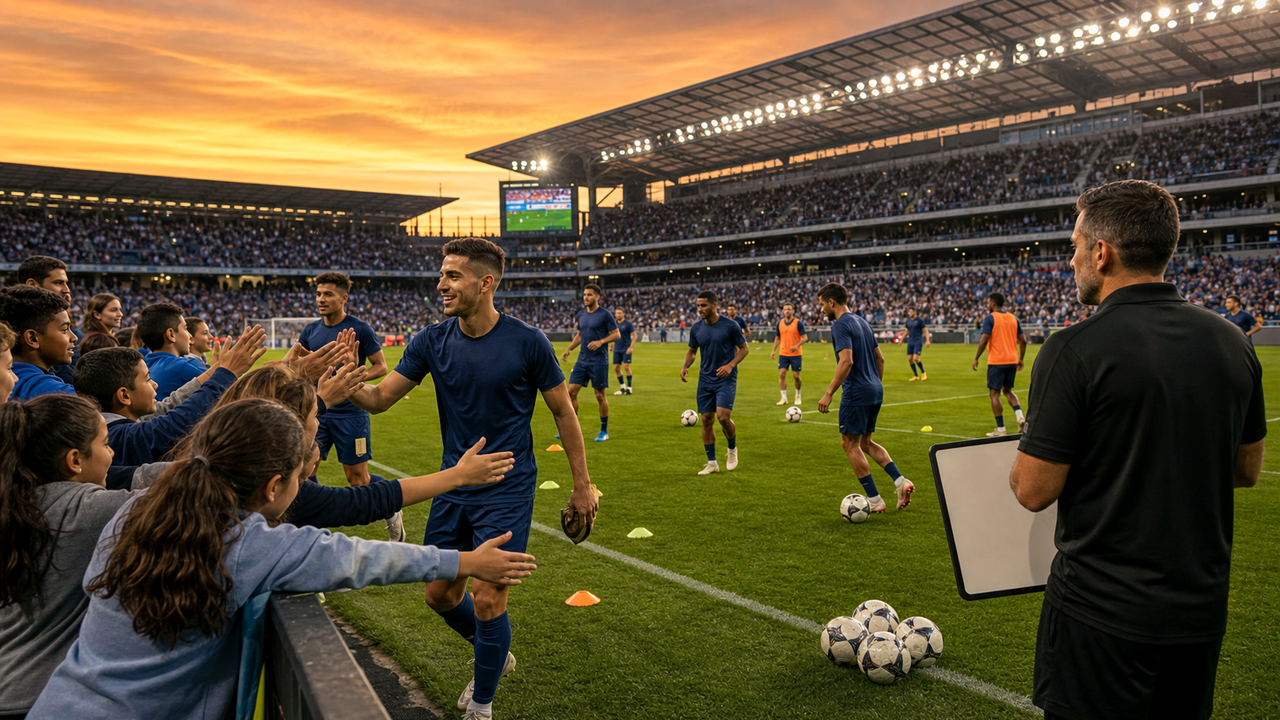
Major League Soccer enters the 2026 World Cup with a rare chance to turn global attention into a longer-term lift for the domestic game in the United States and Canada.
The last World Cup in North America reshaped the sport in the United States. The 1994 tournament led to the creation of MLS, which was founded in 1993 and launched in 1996 after FIFA required a workable top-flight domestic league for the host nation.
Thirty-one years later, MLS has 30 teams, World Cup winners led by Lionel Messi, and franchise values ranging from $400m to more than 1b. The league is widely positioned as a top-10 league, but the next test is whether the 2026 World Cup can create growth that lasts beyond the tournament itself.
MLS Commissioner Don Garber has framed the event as a major opportunity, saying in his State of the League address that “the next decade will redefine what’s possible for MLS and North American soccer.” He added that the World Cup would serve as “rocket fuel” for the sport’s ecosystem and for MLS.
MLS Has More Access, but Still Less TV Spotlight
MLS’s Apple TV Deal has improved access, with MLS Season Pass changing ahead of the 2026 season. The league also has a young audience profile, with an average viewer age of 39.6 years, the youngest among the major North American men's sports leagues.
The World Cup should also put MLS players in front of new viewers. More than 100 MLS players are expected to represent their national teams, and an MLS player lifting the trophy is a realistic possibility.
Still, the league remains outside the center of major sports television conversation. FOX broadcast 34 MLS regular-season games and portions of the MLS Cup playoffs in 2025, but MLS has not received consistent shoulder programming across major networks. ESPN, FOX Sports and TNT generally treat the league as secondary content, while CBS carries domestic soccer through the U.S. Open Cup, USL and CBS Sports Golazo Network but does not hold MLS rights.
That leaves room for the English Premier League to benefit from any broader rise in soccer interest, given its NBC Sports platform and established media presence in the United States.
USMNT and Canada Runs Would Drive the Biggest Bump
The 2026 World Cup will feature 104 matches across the United States, Canada and Mexico. For MLS, the strongest version of a tournament bump would likely come from deep runs by the USMNT and Canada.
Only eight USMNT players are currently in MLS, but many passed through the league’s development system. Canada has nine active MLS players, and the league remains part of a broader soccer market still trying to gain ground against ice hockey and major American leagues.
Mexico’s situation is different because soccer already leads the sports culture there. In the United States and Canada, a successful tournament for the co-hosts would give domestic soccer a larger platform and could help push MLS further into everyday sports conversation.
MLS has also positioned its schedule to stay visible around the tournament. Inter Miami will draw attention whenever Lionel Messi or Rodrigo De Paul are involved, and the league has four marquee rivalry matches placed between the World Cup semifinals and final.
The Post-Messi Era Is the Real MLS Test
Messi’s MLS era has brought the league unmatched attention. With Inter Miami, he has won back-to-back MLS MVPs and helped the Herons win MLS Cup, Leagues Cup and the Supporters’ Shield.
But Messi cannot be the long-term plan. He will turn 39 before returning from the tournament, making the World Cup a bridge into the league’s post-Messi future rather than a finish line for its growth.
Garber recently tempered expectations in an interview with Sports Business Journal, saying the World Cup gives MLS “something to rally around” and a “great moment of truth,” while stressing that the league would have continued growing without it.
He pointed to player development, facility investment, fanbase growth, community ties and making MLS a “league of choice” for players as ongoing priorities. With momentum already in place, the 2026 World Cup’s legacy for MLS will be measured by whether that attention remains after the month-long event ends.