

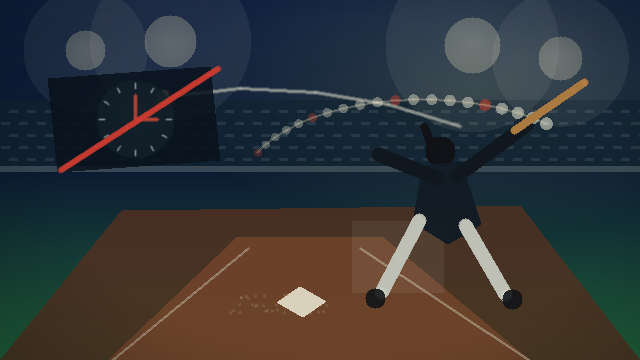
Major League Baseball is reportedly moving the Home Run Derby away from its timed format and back toward a swing-count system, a significant change to one of All-Star week's most watched events.
MLB Trade Rumors, citing Evan Drellich and Johnny Flores Jr. of The Athletic, reported that hitters will receive 20 swings in the first round and 15 swings in both the semifinal and final rounds. MLB has not formally announced the change, so the format should be treated as reported rather than official.
Home Run Derby Moves Away From Timer
The reported rule has an important twist: a round cannot end on a home run. If a player homers on his 20th swing in the first round, he would keep swinging and adding to his total until a swing produces something other than a homer.
The Derby has used a timer since 2015, a setup designed to keep the event moving but one that pushed hitters to swing aggressively and put extra pressure on batting-practice pitchers to live in the heart of the plate. The swing counter would let hitters take pitches while still keeping a defined structure.
Eight-Player Field Stays In Place
The field would remain at eight players. The first round would advance the four hitters with the most home runs, with ties broken by the longest homer. The semifinals and final would shift into matchups, with any tie in those rounds settled by a three-swing tiebreaker.
This year's All-Star festivities are tied to MLB's official 2026 All-Star coverage page, and MLBTR reported the Derby will be held at Philadelphia's Citizens Bank Park. The event is also set to move to Netflix, which would make it the first Derby not carried by ESPN since 1993.
Cal Raleigh is the defending champion after beating Junior Caminero at Truist Park last year. MLBTR reported the prize structure remains meaningful by Derby standards: $1 million to the winner, $500,000 to the runner-up, $150,000 to the other entrants and $100,000 for the longest home run.