

The Useful Context
The free-throw disparity that defined the first two games of this NBA Finals didn't disappear in Game 3. It simply shifted time frames. The Knicks held a six-free-throw edge in the first half. The Spurs answered with a 24-8 advantage at the charity stripe after halftime. That is the kind of statistical swing that turns a coaching critique into something harder to dismiss.
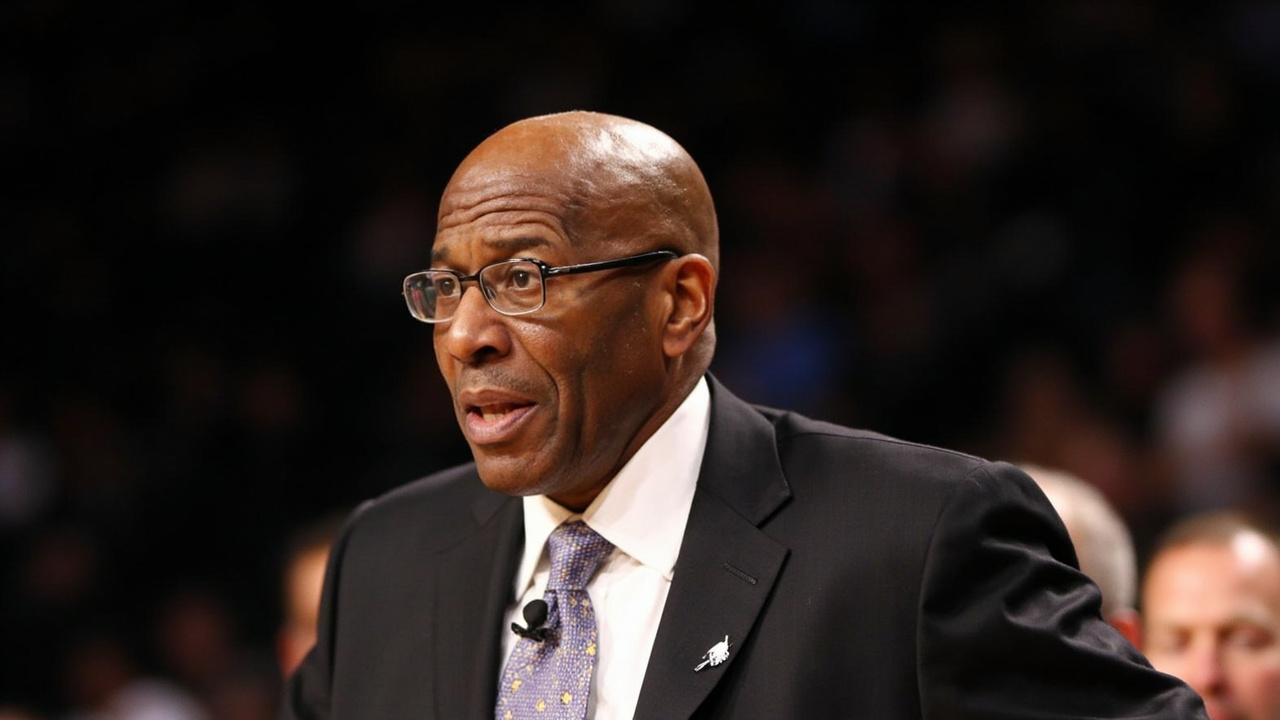
Knicks coach Mike Brown devoted the first three minutes of his post-game press conference to the officials, a rarity for a coach who acknowledged he doesn't complain much about officiating. "I never thought I would be in the NBA Finals and see a team get 24 free throw attempts in the second half to another team's eight," Brown said. He later added: "Maybe we were fouling. But they fouled, too."
The numbers from the 2025-26 regular season suggested this gap was coming. The Spurs averaged 3.6 more free-throw attempts per game than their opponents; the Knicks averaged 1.4 fewer. San Antonio's free-throw margin held through the postseason, and through the first three games of the Finals, that margin widened into something more difficult to rationalize.
Brown specifically referenced a sequence in the fourth quarter involving Karl-Anthony Towns, who gathered a loose ball off a Jalen Brunson shot that was blocked, then was knocked out of bounds at the rim without a whistle. "There's no foul," Brown said. "There were opportunities for fouls to be called, to at least try to even the free throws out."
The Detail Still Doing Work
The Knicks didn't play well in Game 3. Brown conceded that freely, listing areas where his team fell short of its Game 1 and Game 2 execution. Victor Wembanyama played dominant basketball. Stephon Castle played well. De'Aaron Fox hit a late shot. The Spurs earned their victory. But Brown was clear about what he believed the free-throw disparity did to his team's odds. "It's going to lower our odds big time, big time," he said.
There is a broader context to this friction. Knicks fans have expressed frustration over what appears to be a different standard of physicality the Spurs have been permitted. Wembanyama's actions—none of which drew whistles—included an apparent chokehold on Jose Alvarado during a boxout in Game 2 and a shove to Brunson's head in Game 3. Brunson, who absorbed much of San Antonio's physicality, declined to add fuel to the controversy when asked about the contact. "Whatever you saw is what you saw," he said.
Towns was more direct when asked about the officiating. "That ain't cost us the game." The Knicks lost Game 3 by eight points. Game 2 was decided by a single point, a game in which Mitchell Robinson was assessed a technical foul that was later rescinded—a call that, had it stood, could have altered the final outcome.
The NBA releases two-minute reports for late calls in close games but otherwise addresses officiating only when flagrant or technical fouls are retroactively adjusted. Teams routinely send video to the league office highlighting missed or incorrect calls. After Game 3, the Knicks will almost certainly do the same.