


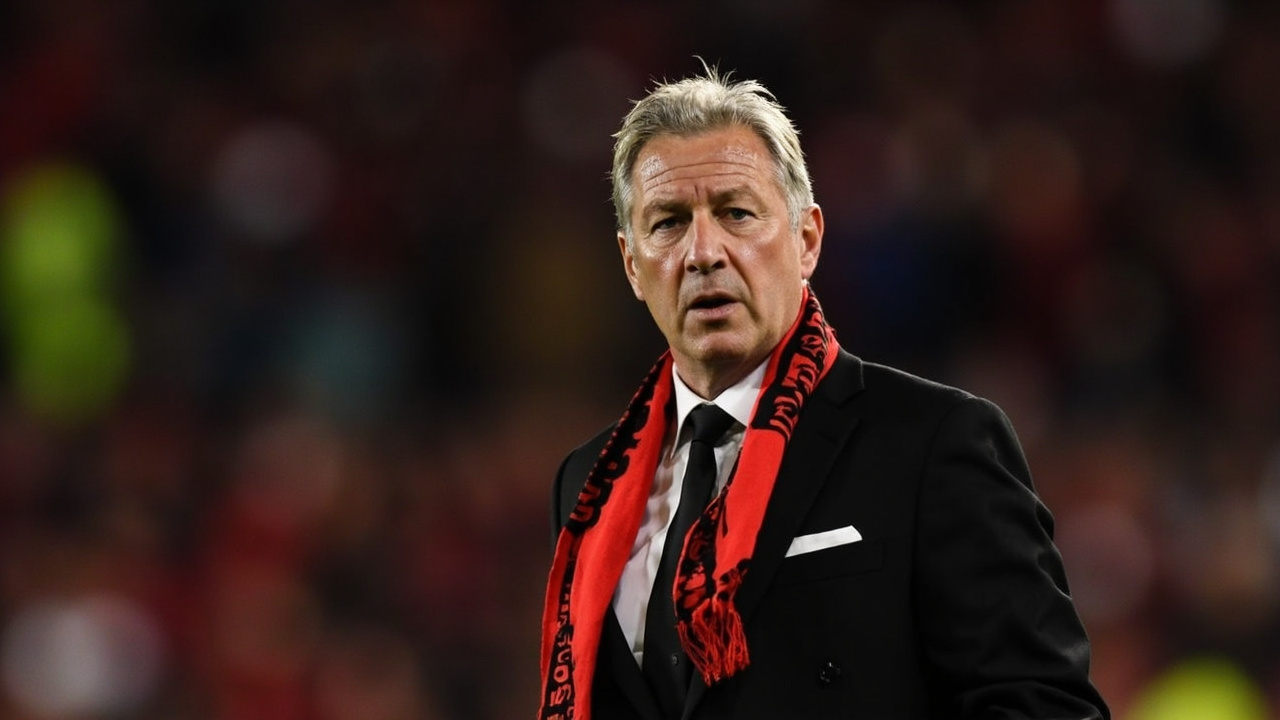
Andoni Iraola is Liverpool's new manager. The 43-year-old Spaniard has left Bournemouth after guiding the club to a sixth-place Premier League finish—an achievement that came with a rather unexpected twist: the team went unbeaten in its final 18 games and qualified for Europe for the first time in the club's history.
The new boss called Liverpool "a special club" in his first remarks. "The atmosphere, the supporters, the chance to coach top-level players and fight for titles—it cannot be more attractive than this," Iraola said. There is something honest about that enthusiasm. He has never won a major trophy, and now he walks into a club that has lost Mohamed Salah and Andy Robertson in one transfer window, leaving Virgil van Dijk and Alisson Becker as the last senior links to the team that lifted the Champions League in 2019.
The numbers are doing most of the announcement work here, which is usually how teams prefer it.
That is a particular kind of rebuild: not just tactical, but generational. Iraola becomes the latest Spanish Basque coach to take charge of a major English club, following Mikel Arteta at Arsenal, Unai Emery at Aston Villa and most recently Xabi Alonso at Chelsea. The region has become something of a talent pipeline for the Premier League.
What remains to be seen is whether the Iraola formula—built on structured pressing and proactive game management—translates to a club that expects to compete for titles rather than qualify for Europe. The stage is different. The pressure will be different.
The weight of what comes next
Iraola inherits a club in transition but not in crisis. The squad still carries world-class players; the infrastructure remains elite. What he does not have is the cushion of low expectations that Bournemouth afforded him. At Bournemouth, exceeding sixth place was the story. At Liverpool, anything short of challenging for the title will be scrutinized. That shift in pressure—not the tactics, not the signings—is the part that has tripped up better-resourced managers before him.