


The Result Has A Second Meaning
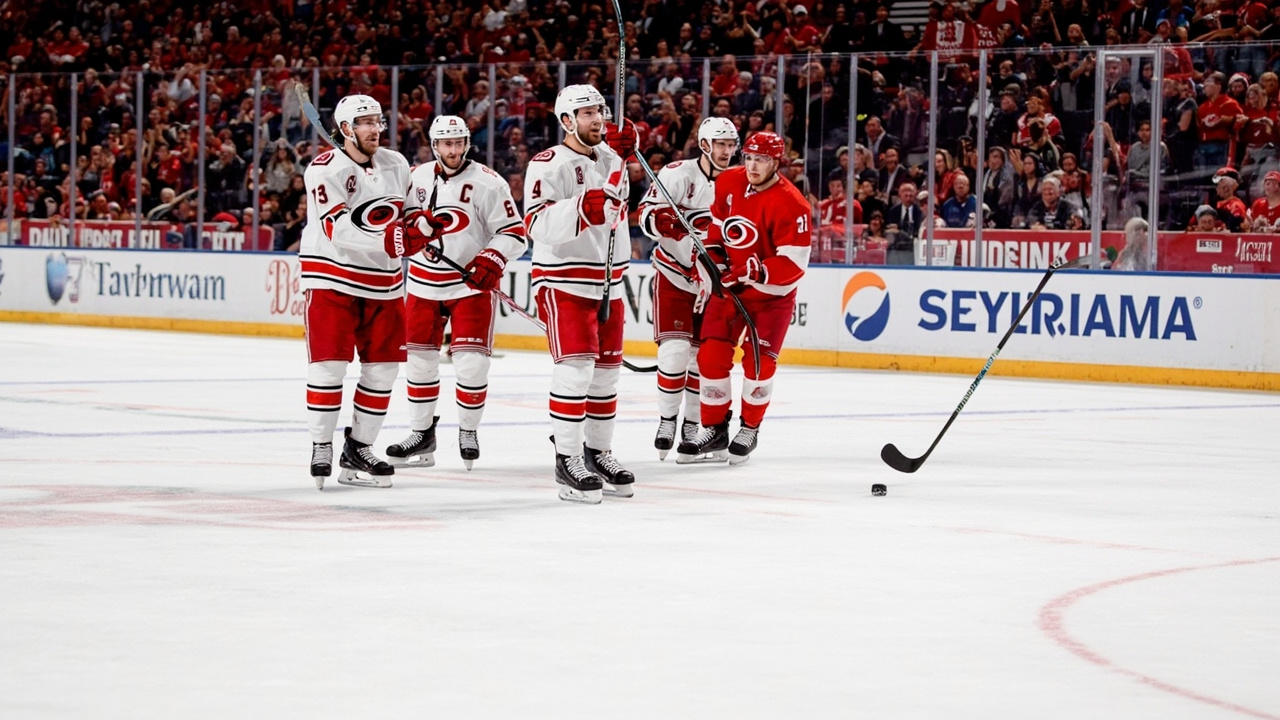
The Carolina Hurricanes needed only eight games to dispose of the Ottawa Senators and Philadelphia Flyers. No team had opened a postseason with back-to-back sweeps in more than 40 years. Now the Hurricanes find themselves two rounds from a Stanley Cup they last raised in 2006.
What makes this run different is not the opposition exactly, though the Flyers looked young and uncertain in the second round. It is that Carolina's defence has rendered opponents largely harmless. Over eight games, the Hurricanes allowed just six even-strength goals. Their penalty kill surrendered only one goal more than that. Opposing power plays managed one measly goal over the same stretch.
The matchup already has enough history; the job is to keep the reading list shorter than the tension.
The logic is simple: when you dominate the puck, the other team spends most of the night chasing. Carolina's structure keeps opposing forwards on the perimeter, and their forecheck buries teams that cannot handle pressure. On the penalty kill, a four-man unit of Jordan Staal, Jordan Martinook, Jaccob Slavin, and Jalen Chatfield has become a wall.
The Part Worth Keeping
Goaltender Frederik Andersen has stopped.950 of the shots he has faced. That number borders on absurd. Players like Brady Tkachuk, Drake Batherson, Travis Konecny, and Trevor Zegras found almost no room to operate. Only Tim Stutzle and Christian Dvorak generated any volume at even strength, and both were largely quiet in the scoring column.
Carolina has won more postseason games than most clubs over the past decade. Yet the Stanley Cup remains elusive. The Hurricanes reached the Eastern Conference Final twice in three years, losing both times to a Florida Panthers team that is now gone. Whether the opponent is Buffalo or Montreal, Carolina will be the favourite.
That does not mean the job is finished. It rarely does for a team that has been this close this often. But the defence is real, the goaltending is elite, and the path is open.