


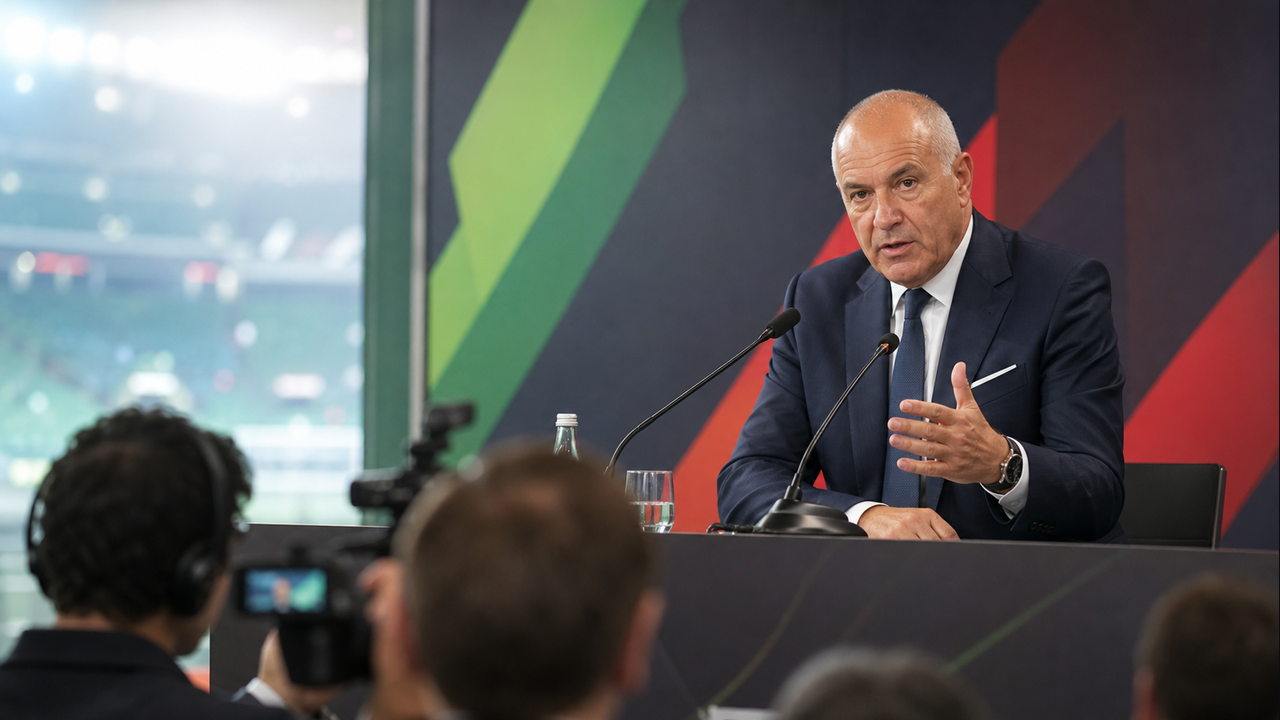
GENEVA — FIFA President Gianni Infantino criticized the World Cup’s perceived detractors a week after the final, accusing people working “behind their pens and papers” and screens of spreading “hate and false rumors” about the tournament.
“Sorry that you were so consumed by hate and criticism that you missed it all,” Infantino wrote. He said cities across Canada, Mexico and the United States had been filled with international supporters while FIFA officials met fans and worked to ensure their safety.
FIFA and its president faced criticism during the tournament over Iran team officials, a Somali referee and supporters who were denied entry to the United States. Other issues included unprecedented ticket prices, commercial breaks midway through each half of all 104 games and alleged political influence by President Donald Trump in the handling of Folarin Balogun’s red-card suspension.
Infantino’s relationship with the media
The statement continued an increasingly difficult relationship between Infantino and the media during the 11th year of his FIFA presidency. His pre-tournament news conference in Mexico City was his first full session with international reporters since March 2023.
That previous gathering came in Rwanda after FIFA member federations re-elected him by acclaim. Infantino asked reporters there why they were “so mean,” and told critics in Mexico City last month to “chill, relax.”
Infantino is also facing questions from the United States Congress. Rep. Jamie Raskin of Maryland, the leading Democrat on the House Judiciary Committee, sent him a letter on Sunday requesting documents about FIFA’s relationship with the Trump administration. A FIFA representative did not immediately answer a request for comment about the letter.
Iran’s travel and visa issues
Iran’s ability to play at least three games in the United States was a major issue before the tournament. The team made a late change to its training plans, moving its camp from Tucson, Arizona, to Tijuana, Mexico.
Infantino wrote that Iran entered the United States without conflict or incident and claimed FIFA had worked to unite “two countries at war.”
Among the supporters denied a United States visa was Michel Nkuka Mboladinga, Congo’s well-known statue supporter. Congo was dealing with an Ebola outbreak, and Mboladinga attended one game in Mexico.
Infantino argued that critics had focused on the small number of visa denials while ignoring the millions of approvals issued to visitors from around the world. He also said visas were granted to people from countries confronting serious health problems or other challenges.
Infantino defends Balogun ruling
Infantino also defended FIFA’s response to the red card shown to United States forward Folarin Balogun, writing that decisions not to suspend players in some circumstances were routine.
FIFA did not rescind the red card, as can happen in domestic club competitions. Instead, it took the more unusual step of delaying Balogun’s one-game suspension for a probationary period. FIFA has not published the written decision from its disciplinary judge.
Infantino closed by asking those directing their energy at FIFA to reflect, meditate, pray or watch a football match and study the emotions of the people involved. He signed the statement: “Much love to all.”