


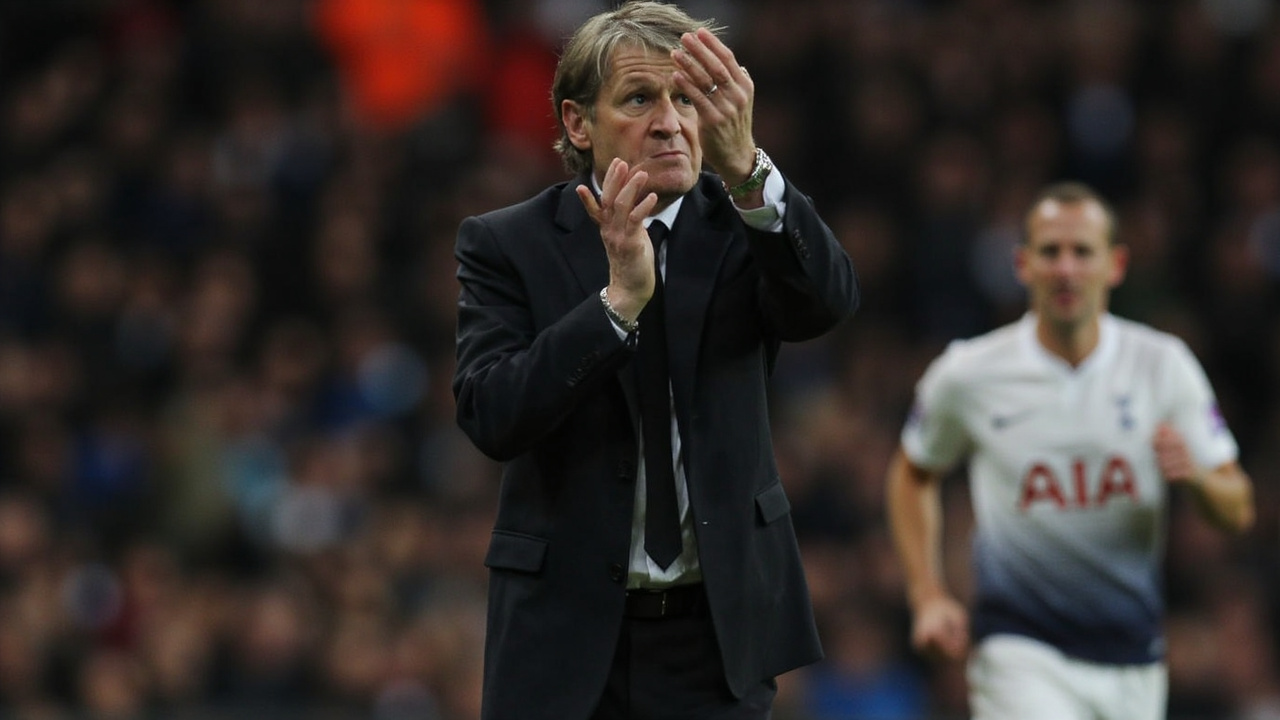
Tottenham Hotspur are still a Premier League club. That much is certain after a 1-0 win over Everton on the season's final day lifted the club two points clear of the relegation zone. What remains less certain is how a founding member of English football's so-called "Big Six" found itself staring at a first drop into the second tier since 1977.
Chairman Peter Charrington did not dress it up in a letter to supporters published Monday. "Falling well short of what this club expects" was how he put it — a frank admission that the club's leadership had taken its eye off the ball during what he called a "full reset" of the boardroom.
The numbers are doing most of the announcement work here, which is usually how teams prefer it.
The De Zerbi rescue
The turnaround arrived in the form of Roberto De Zerbi, hired late in March after the club sat perilously close to the drop. Under the former Brighton and Marseille coach, Tottenham won three of its final five matches — enough to climb to 17th place and breathe. The Italian was immediately handed a five-year deal, an unusual commitment for a manager brought in to stave off disaster.
Midfielder James Maddison credited the appointment. "Without that appointment, disaster could have maybe struck," he said. "I am really happy for the manager who came in and steered the ship clear."
Boardroom upheaval
The context for Tottenham's slide included profound change at the top. Long-time chairman Daniel Levy departed in September, five months after Vinai Venkatesham arrived as chief executive — a role he previously held at fierce rival Arsenal. Charrington acknowledged the upheaval had cost the club focus.
"The qualities that make Spurs distinct, our football, our ambition, the connection between the team and its supporters, had been allowed to fade," he wrote. "Football success had not been driving our decisions."
Charrington set out five commitments to supporters, including investment across multiple transfer windows to rebuild the squad for De Zerbi. On the question of ownership, he was direct: Tottenham is not for sale. The Lewis family, he said, view their investment as a long-term responsibility, not a quick fix.
It was too close for comfort. That a club whose leaders once sat at the forefront of the quickly-aborted Super League plans five years ago now owes its top-flight survival to a late-season rally says something about how quickly the ground can shift under a Big Six side.