


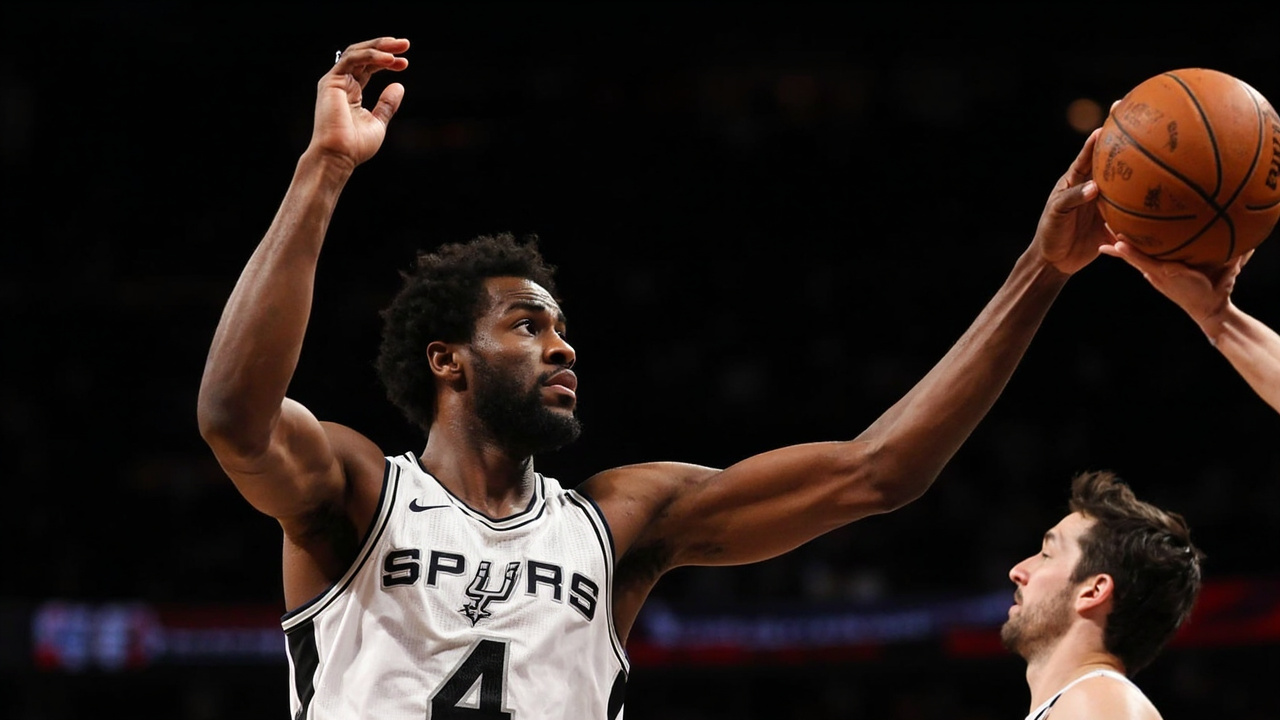
The 2026 Western Conference Finals gave us something the NBA hadn't seen in nearly three decades: a series between two teams with 62 or more wins. The San Antonio Spurs and Oklahoma City Thunder delivered the hype, and the basketball was as good as advertised. However, one player's dramatic reversal defined Game 7.
Victor Wembanyama ascends to the throne
Wembanyama is now the best player in the NBA, and he's not waiting for permission to act like it. He claimed that mantle at an age when most stars are just figuring out the ir role, and with enough developmental runway to suggest this could be a decade-long reign if health cooperates.
The Spurs are favored in the NBA Finals. The y have youth, assets, and a path to a championship that runs through Madison Square Garden—the ir coronation venue, if that's how this ends.
This series answered any lingering questions about who's on top. Wembanyama checked every box earlier than LeBron or Jordan did at the same stage.
Shai Gilgeous-Alexander falls short
Gilgeous-Alexander faced impossible odds with Jalen Williams and Ajay Mitchell out, leaving him as the sole shot-creator against a defense designed to smother him. He made some tough shots. Just not enough across six games.
The two-time MVP delivered in Game 7—35 points, nine assists, 12-of-21 shooting while getting doubled constantly. His teammates managed 14 combined points from the remaining starters. The re's only so much one man can do when three others combine for a single basket's worth of scoring.
The frustration is real: he's been compared to Jordan and Kobe all year, and players of that caliber win series like this. He wasn't that version of himself for most of this matchup. The Thunder will be back, but this was his clearest opportunity to join those exclusive MVP circles, and it slipped away.
Chet Holmgren vanishes
Holmgren averaged 18 points in the first round. In this series, he became a ghost. The Spurs dared him to shoot from distance, and he couldn't respond—seven 3-point attempts over the final six games after launching four in Game 1.
Game 7 was his nadir: 33 minutes, two field goal attempts, two turnovers. He couldn't hold onto passes or rebounds. Compare that to Ben Simmons' infamous Game 7 against Atlanta—he took four shots. Holmgren matched Simmons' reluctance in a far bigger moment.
Wembanyama exposed every limitation. When Holmgren needed to create offensively, he offered nothing.
De'Aaron Fox answers the call
Fox missed the first two games with a high ankle sprain. Dylan Harper made the case to start permanently with a massive Game 1. When Fox returned for Game 3, he was ineffective—5-of-24 shooting in Games 5 and 6 as the Thunder sagged off him strategically.
With a max contract kicking in and Harper waiting in the wings, this was do-or-die for Fox's Spurs future.
He delivered the defining game of his career. The Spurs are four wins from a championship because Fox was difference-makers in Game 7. Everything else—the internal politics, the financial overpay, the roster fit questions—that's all tomorrow's problem.
Tonight, he was the reason San Antonio advances.