


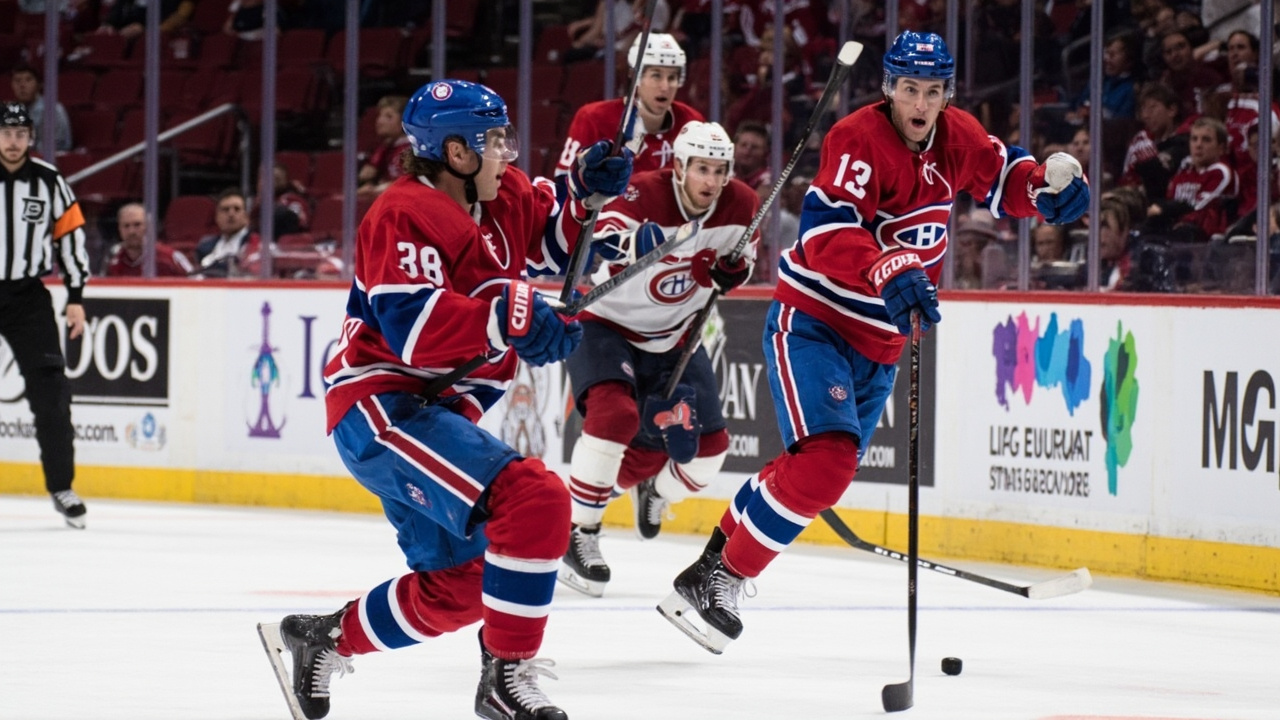
Montreal sits four wins from the Eastern Conference Final, with another division rival standing in their path. Dispatching Tampa Bay in seven games was no small feat, but now the Canadiens face a different challenge entirely.
Goaltending sealed the deal
Goaltending is heavily deterministic in playoff outcomes, and there's no doubt Jakub Dobes outplaying Andrei Vasilevskiy was the ultimate difference maker. One could argue the only goalie who showed better in the first round was Carolina's Frederik Andersen.
Tampa Bay dominated puck possession—especially in Game 7—but Dobes' 28 saves were enough to get the job done.
Big guns went quiet
It's been rare—perhaps exceptionally rare—than Montreal's young guns at the top of the lineup were held in check like they were against Tampa Bay. Cole Caufield, Nick Suzuki, and Juraj Slafkovsky formed one of the league's deadliest lines all season long.
The Lightning threw Anthony Cirelli, Brandon Hagel, and Nikita Kucherov against Montreal's best line and had tremendous success. The Canadiens' top line was four goals underwater in the series.
Depth carried the load
Without Alex Texier, Kirby Dach, and Zach Bolduc outscoring Tampa Bay 6-0 in their minutes, Montreal wouldn't be talking about a second-round appearance.
Credit to Montreal's depth for picking up the slack when the team needed it most. Part of winning in the postseason is not relying on the same few players every night.
Buffalo presents new problem
Buffalo may not have an elite five-man matchup unit like Tampa Bay, but they have incredible depth and can roll three lines and three pairings confidently—just like they did against Boston in the first round.
You won't find many lineups deeper than this group; that's going to create problems for Montreal's depth players, too.
In short: Montreal survived Round 1 on elite goaltending and depth scoring. Advancing against Buffalo will require their star trio to reclaim their dominance.
Data via Natural Stat Trick, NHL.com, Evolving Hockey, Hockey Reference